She Wasn’t Arrogant.
She Just Knew Something We Didn’t.
We were children sitting on cool mosaic floors, steel plates beside us, television volume slightly too loud. A 90s heroine appears on screen. She talks back, She refuses, She rolls her eyes. Someone in the room says it immediately:
“She is arrogant.” And just like that, the verdict is delivered.
We nod along. Because that’s how stories worked back then. The woman who adjusted was good. The woman who resisted was difficult. The woman who spoke firmly was egoistic. The woman who didn’t bend was problematic.
We didn’t question it. We absorbed it.
The Script We Never Noticed
There was always a pattern.
A newly married woman enters a new house.
New walls.New rules. New expectations.
She is expected to change her habits. Lower her tone. Wake earlier. Talk softer. Smile more. Argue less.
Overnight.
No orientation. No transition period. No emotional processing.
Just: adjust. And if she didn’t?
The background music changed. The camera angle tightened. The family members sighed louder.
The script quietly moved her toward the villain edit.
Meanwhile, We Were Growing Up
While those films played in the background of our childhoods, something else was happening. We were learning our lines too. “Don’t talk back.” “Be respectful.” “Lower your voice.” “Adjust.” “Be grateful.”
We learned to measure our tone. We learned to swallow reactions. We learned that approval felt safer than authenticity. We didn’t become empowered overnight. We became excellent at over-adjusting. We people-pleased like it was a survival skill. We earned love through compliance. We carried guilt like tradition. And we thought that was maturity.
Then We Rewatched
Years later, something strange happens. We rewatch those same films.
Same scenes. Same female character. Same dialogue.
But this time, the room is quiet. And suddenly, we don’t see arrogance. We see boundaries. She isn’t shouting. She is regulating. She isn’t egoistic. She is self-respecting. She isn’t dramatic. She is emotionally literate. And the shift is uncomfortable.
Because if she wasn’t the problem… Then what were we taught?
Let’s pause for a second.
When you rewatch a 90s Malayalam film today,which female character feels different to you now — and what did you once believe about her that you no longer do?
Comment it. Journal it. Text your sister/friend about it.
Because sometimes growth shows up in the way we reinterpret old stories.
The Era Shift
Somewhere between financial independence, therapy vocabulary, late-night self-reflection, and hard-earned confidence — we shifted eras.
Not loudly.Not rebelliously. But consciously.
We began unlearning. We started recognizing that: Saying no isn’t disrespect. Having standards isn’t ego. Wanting fairness isn’t drama. Protecting your peace isn’t arrogance. And suddenly those 90s “difficult” women didn’t look difficult at all.
They looked ahead of their time.
Wearing the Era We Shifted Into
At Parishkaaree, this realization didn’t just stay as a thought. It became a collection.
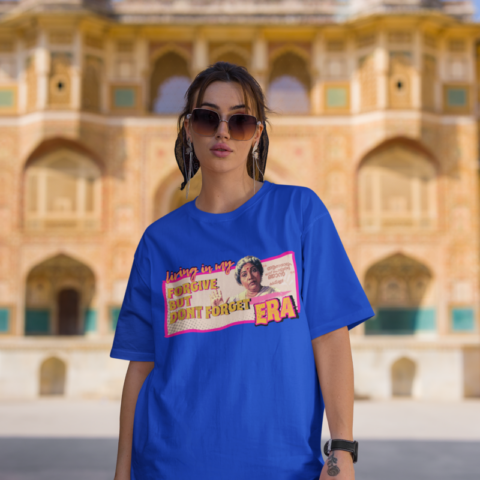
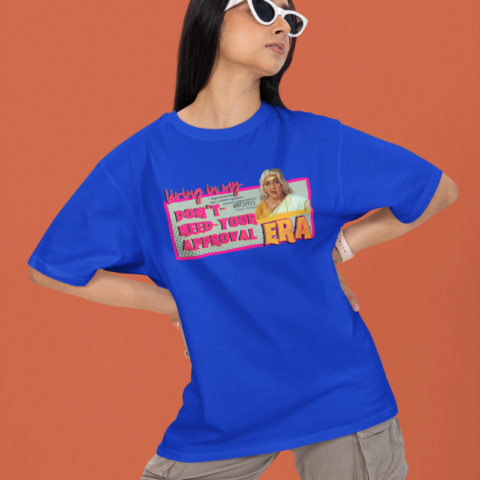
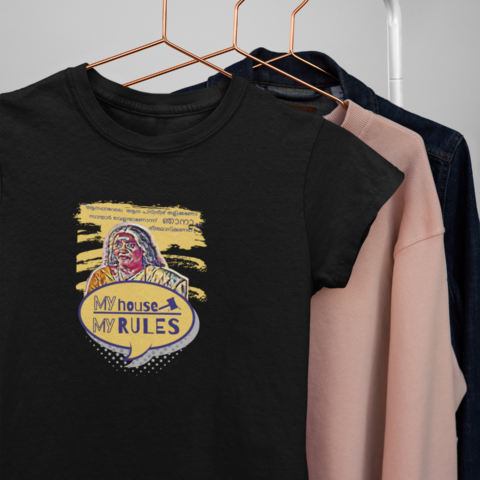
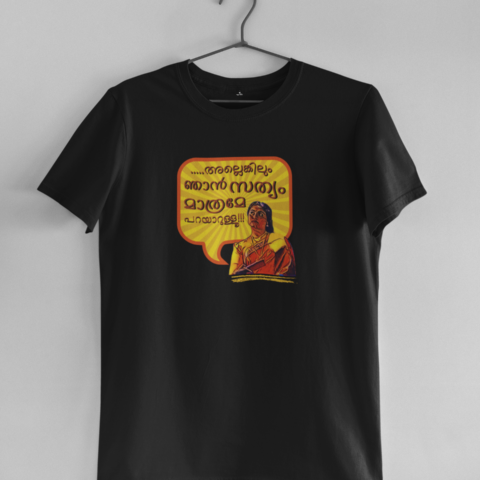
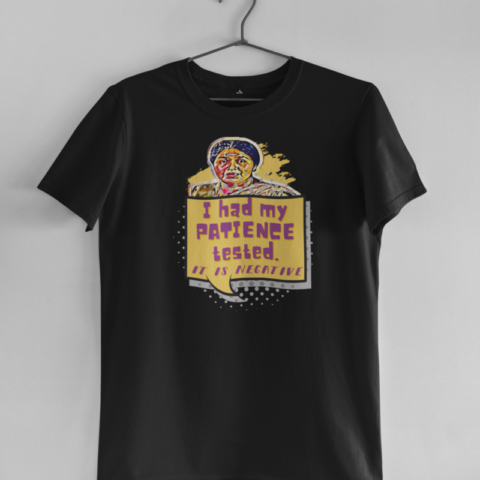
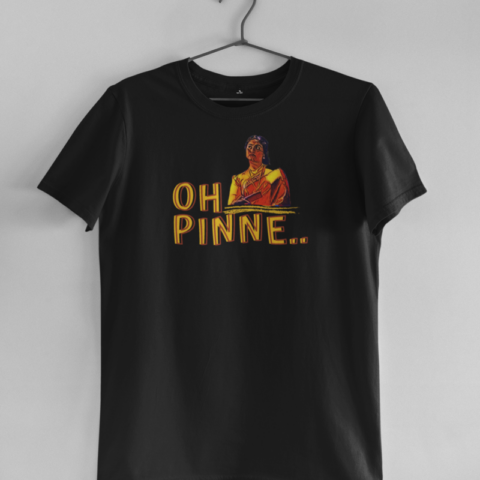
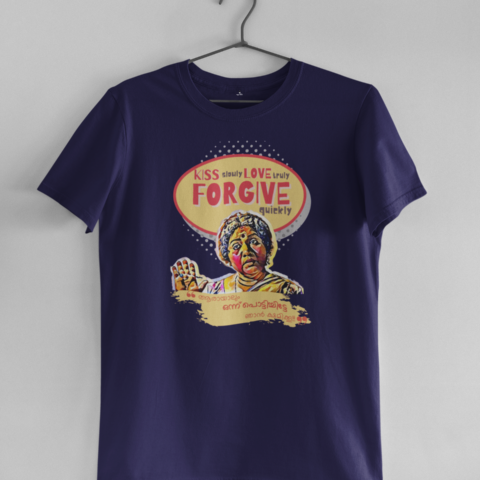
Our Malayalam Movie Thug Women Era collection celebrates those bold, boundary-setting, eye-rolling, unapologetic women who were misunderstood before they were understood. It’s for the woman who: Doesn’t lower her voice anymore. Doesn’t over-explain her no. Doesn’t shrink to make others comfortable. Doesn’t accept the villain edit of her own life.
These aren’t just T-shirts. They’re era markers. They’re reminders. They’re the grown-up version of that little girl sitting on the mosaic floor — finally nodding in agreement with the female characters that appeared on screen.
Maybe That’s Why It Feels Personal
Rewatching those films now feels like meeting a version of ourselves we weren’t allowed to be yet. They said what we were taught not to say. They reacted the way we were trained not to react. They stood firm in moments where we would have softened. And maybe that’s why it feels like retroactive justice. Because we see a preview of who we were always becoming.
We Didn’t Wake Up Empowered
Millennial women didn’t wake up empowered. We grew into it. Through discomfort. Through therapy words we had to Google. Through friendships that felt safe. Through mistakes. Through burnout. Through finally choosing ourselves without apologizing. We shifted eras slowly. And now when we watch those 90s heroines again, we don’t see villains. We see women who simply refused to shrink. She wasn’t arrogant. She just knew — before we did — that adjustment has limits. And maybe that’s the real plot twist. We didn’t change. We just finally understood her.

 ₹999.00
 ₹899.00
 ₹899.00
 ₹999.00
 ₹999.00